Verification
This page explains what we check, why the law leaves us no choice, what a check involves, and what makes a check fail. Read it before your first order so the documents are ready and the exchange is not held up.
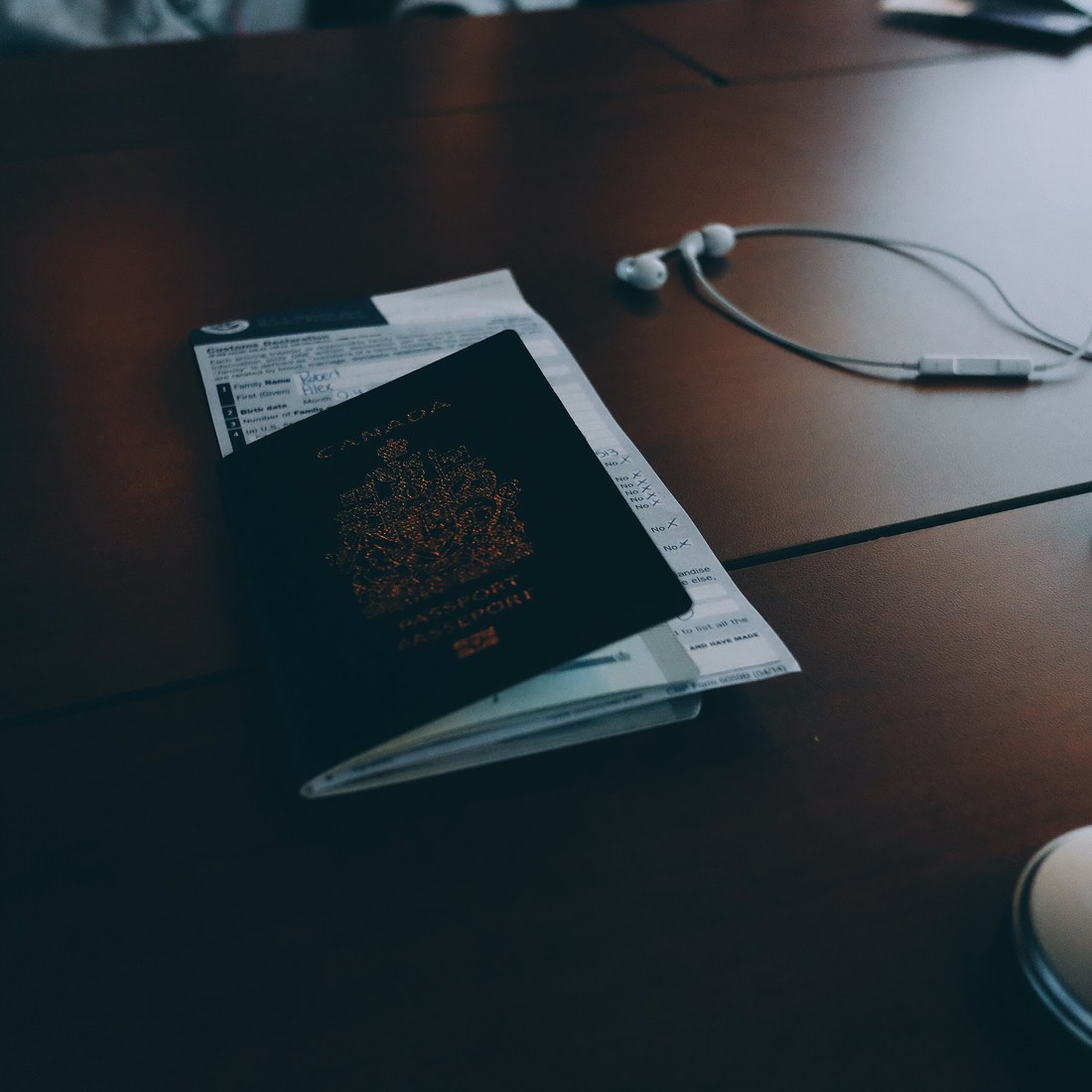
Why we check documents at all
Token Plaza LLC exchanges virtual assets under a licence issued in the Kyrgyz Republic, and the licence comes with a duty to know who we serve. That is the whole reason. We do not want your passport for marketing and we do not resell data; we ask because an operator that skipped the check would lose the licence, and the licence is what makes it possible to pay you from a registered company with a real address. The upside for you is that your counterparty is a company that can be found, not an anonymous chat.
When documents are asked
Every client is checked once, before the first exchange: a passport or an ID card, and no order can be created until that check is done. Source of funds is separate: above $50,000 an order needs a source-of-funds document, and below that we ask only when the case calls for it, as the AML policy sets out. An order always needs what the exchange itself needs: your wallet address or bank details and a contact for status messages. The transfer itself is checked as well: the sending wallet is screened for links to illicit activity, and a transfer that fails that screen is paused whatever the amount.
Identity
Before your first order you give us a photo of a valid government ID and, if asked, a photo of you holding it. Write to support at support@tokenplaza.kg; do not send documents by messenger. Once checked, the documents are reused for every later order, so this happens once, not every time. Companies provide registration documents and the identity of the person placing the order.
Source of funds
When the operator asks where the money comes from, any document that shows it will do: a sale agreement, a statement from the exchange where the crypto was bought, a payslip or company accounts, an inheritance document. We are not judging the source, only recording it, and we have accepted screenshots of a trading history where that was the honest answer.
What makes a check fail
Almost every failed check is a photo problem: a blurred document, a glare across the photo page, a hand covering the number, a selfie where the document is too small to read. Retake the photo in daylight, hold the document flat, and both images pass. The second cause is a name that does not match: the document says one name, the bank account or the order another. If you are placing the order for a company or a relative, say so at the start; it changes what we need, and hiding it is what turns a delay into a refusal.
Receiving the payout
The payout goes to a bank account or card in the name on the order, and only to that name. A payout to someone else's account is not possible: the licence requires us to know who receives the money, and a mismatch between the name on the order and the name on the account is a common reason an order stops. There is no cash desk and no courier — the whole exchange is online, and the money leaves to the account you entered.
What happens to your documents
Documents go to encrypted storage that support agents cannot browse; only compliance staff open them, and only for a check. They stay for five years after your last order because the anti-money-laundering law sets that period for a licensed operator, then they are deleted without a request. They are shown to nobody except a regulator on a written, lawful request, and we log every such request. If you want to know exactly what we hold, ask through the contact page and you get a copy. The full detail is in the privacy policy.